Memories that Linger: One Daughter's Experience in Losing Her Mother to Alzheimer's
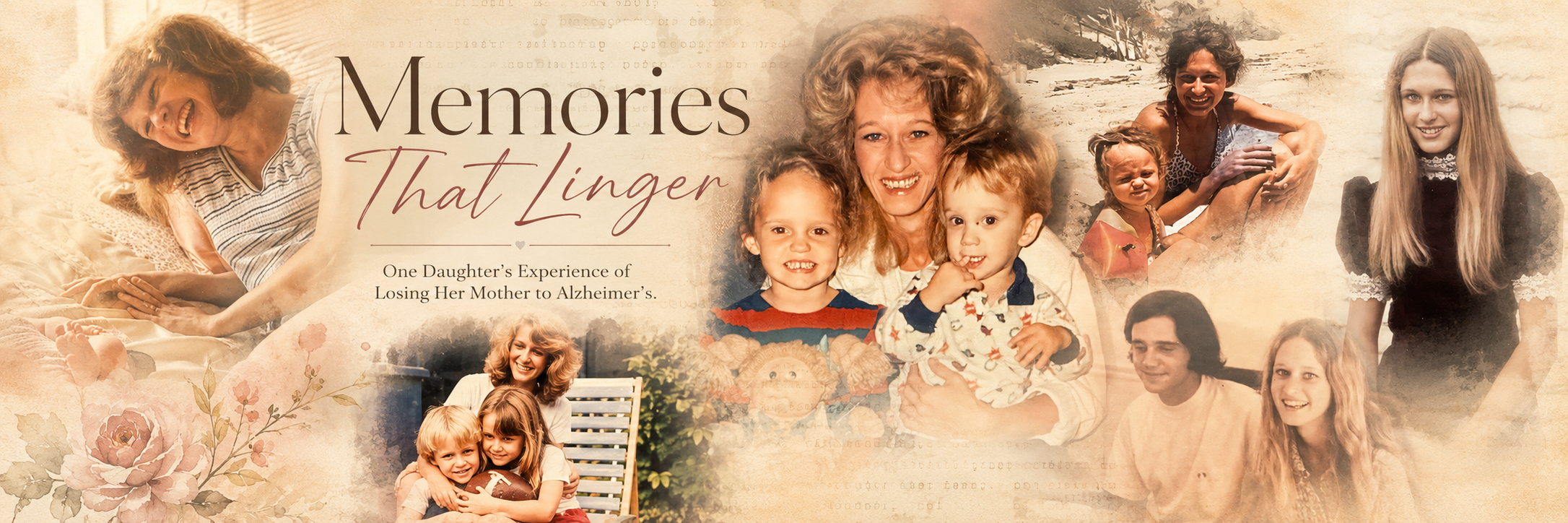
Memories That Linger: One Daughter’s Experience of Losing Her Mother to Alzheimer’s
Originally written in August 2019.
As I look back over the past year, I realize that I have been struggling not only with the loss of my mother, but with the very idea of grieving her.
Initially, I refused to allow myself to feel the sadness. Now, more than a year after her passing, I have begun permitting grief to reach me in brief, fleeting moments.
I often find myself caught between celebrating my mother’s life and becoming consumed by the sorrow of losing her. The reality that I will never see her again carries a helplessness I find almost too daunting to face. I have always feared becoming trapped in sorrow, so I have avoided it whenever possible.
After thinking long and hard about how to approach this, I realized there was only one thing I could do: what my mother would tell me to do if she were still here.
She would tell me to follow my heart. To say what is in my heart. To simply be myself.
So that is what I am going to do now.
My mother, Nancy Kelley, was petite—five-foot-four and barely 110 pounds—but there were many ways in which she was extraordinarily strong.
She was funny, flamboyant, vibrant, and fiercely proud of both her fiery Irish heritage and her identity as a Leo. She had light-blue eyes with tiny white sparkles near the center and a mesmerizing smile capable of illuminating an entire room. She loved music and dancing. She cherished the outdoors, whether she was gardening in the sunshine or spending the day at the beach.
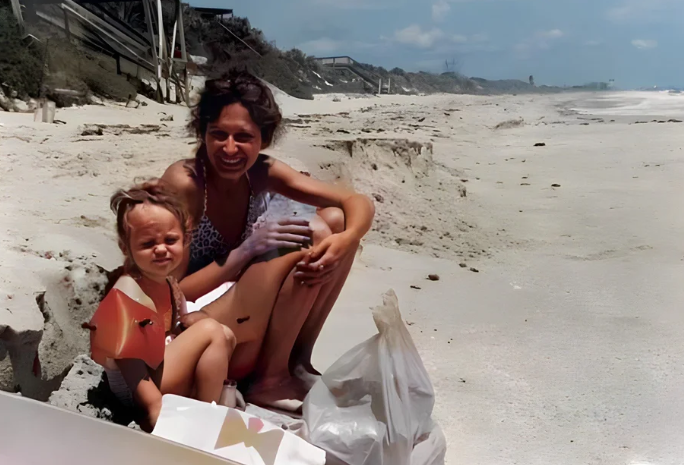
As a teenager, however, I did not always recognize her strength.
I often saw her as vulnerable, naïve, weak, and, at times, even a little daft. Looking back, I understand that much of this was a projection of my childhood anger toward her for continuing to love my father after their divorce. I held her responsible for allowing him to devastate her emotionally. In my young and unforgiving mind, I interpreted the depth of her love as weakness.
I understand now that she was none of those things.
My mother was intelligent—far more intelligent than I gave her credit for while she was alive. It was only after her death, while reading the eloquent words she had written in her journals, that I fully recognized the depth of her intellect, her emotional insight, and her profound understanding of her relationship with God.
I still carry some guilt for the many years I underestimated her.
My mother possessed a rare ability to recognize beauty in the smallest and most easily overlooked things. She passed that gift on to me, and it became a shared language between us.
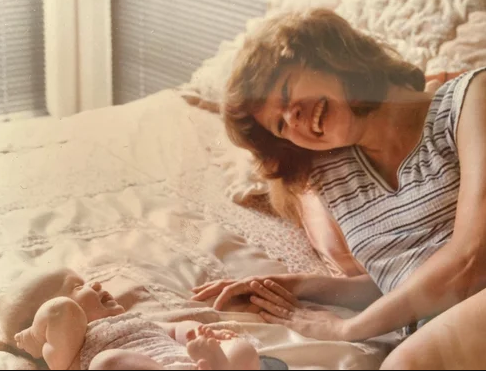
We could sit quietly in the shade and suddenly notice a single beam of sunlight piercing perfectly through the trees, casting a warm, radiant glow over everything it touched. It was never merely a physical sight. Somehow, we both understood the feeling within it.
There are moments of beauty that only two people can fully recognize and cherish together, without needing to explain them.
We might watch a butterfly drift past us, displaying its brilliant colors and intricate design as it moved so gracefully that it appeared almost suspended in slow motion. I would tell my mother how sad it made me that a butterfly’s life was so fleeting—that it spent so long preparing for such a brief existence.
As always, she would find the silver lining.
She had a way of finding hope in nearly everything, even the short life of a butterfly. Her optimism would comfort me, and then we would simply continue with our day.
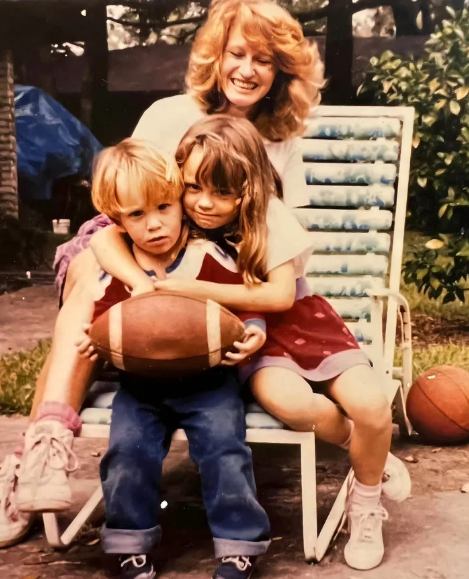
I miss those mornings and afternoons with her—the two of us talking, laughing, sharing stories, and sitting together in the warm sunshine. We discussed everything from philosophical ideas to the harshest realities of life, and somehow, her unyielding optimism always managed to soften my worries.
During my teenage years, I was deeply invested in appearing to be the cool, elusive, sought-after “It Girl.” Naturally, my mother’s friendly, uninhibited personality made me cringe with embarrassment.
I remember bringing her to one of my first gatherings among my similarly angsty peers. I spent the entire time dreading the inevitable moment when she would humiliate me.
Instead, everyone adored her.
They wanted to know why they had never met her before. They praised her, laughed with her, and seemed to hang on her every word. I played it cool, of course, but privately, I felt a little overshadowed by her charisma. I was both irritated and impressed by how effortlessly she commanded a room while I was nearly always making some conscious effort to do the same.
Looking back, I should have been grateful that she had not embarrassed me as I had expected. At the time, however, I felt a slight twinge of bitterness.
It took me nearly a decade to admit any of this to her.
I understand now that my mother’s ability to connect with people came from her instinctive desire to see the best in them. She could perceive goodness in nearly anyone, and when others could not see it within themselves, she had a subtle and natural way of guiding them toward it.
Anyone who spent meaningful time with my mother usually walked away feeling more loved, more appreciated, and somehow more at peace.
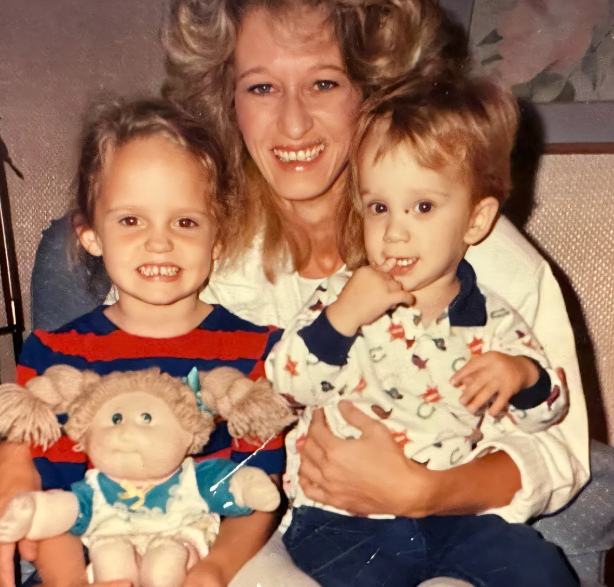
She loved her children and her family with extraordinary purity. Yet one of the defining loves of her life was the love she carried for my father.
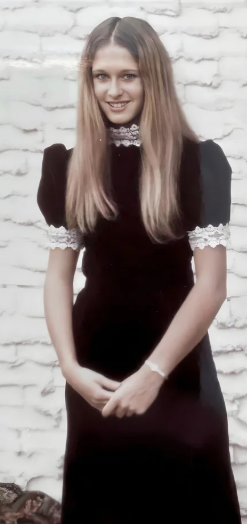
Their story began in the 1970s, when they were teenagers. My mother was a beautiful flower child with long, silky blonde hair that fell nearly to her lower back. My father wore his dark hair slightly shaggy, and together they wandered through their youth in bell-bottoms, eager to experience the world.
Despite my grandmother’s disapproval—and despite the fact that a more traditional wedding was already being planned—they decided at the last minute to elope. They wore denim jeans, and their vows were performed by an ordained friend of my father’s.
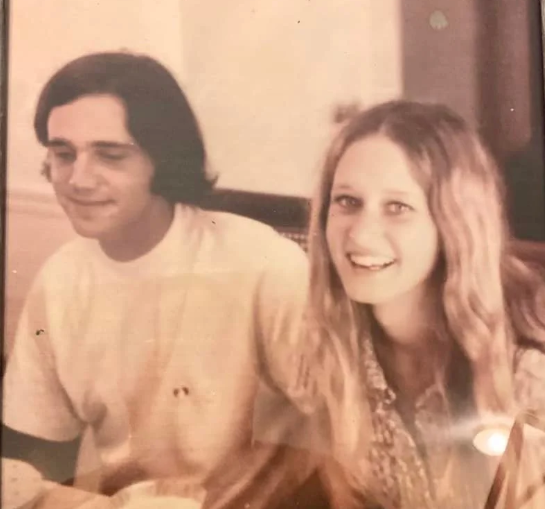
My mother always told this story with such romantic reverie that her love seemed almost palpable.
For many years, I resented her inability to let that love go. Now I can see something beautiful in the idea that, on that day, they believed they needed nothing more than one another.
Throughout the next five decades, whether they were together or apart, my mother’s love for my father never wavered. Even during the cruelest stages of Alzheimer’s, when so much of her lucidity had faded, she could still manage to proclaim her love for him.
Her decline happened so quickly that I still cannot decide whether that was a mercy or another form of cruelty.
In April 2021, our family determined that it was time for her to move into an assisted-living facility. I do not know whether it was intuition, fear, or my perpetual need for control, but I completely lost myself emotionally.
I became belligerent and shockingly hostile toward my family. I vehemently opposed the decision because somewhere inside, I believed that moving my mother from her home into a facility would lead to her death within a relatively short period.
I even said this to my brother without thinking.
I did not want it to be true. Still, some part of me believed that it would be.
She remained relatively clear-minded that April. I remember how frightened she was and how desperately she did not want to leave her home.
I will never forget sitting beside her at the end of my aunt’s driveway, my arm draped over her shoulder. It may have been the last fully intelligible conversation we ever had. I tried to reassure her, promising that I would explore every other possible option.
She appeared relieved.
I think of that conversation often. It still haunts me because she trusted me to resolve the situation, and I cannot escape the feeling that I made her a promise I was unable to keep.
Then fate—or perhaps something far less poetic—intervened.
In April, my mother had still been walking, talking, and full of energy. She was forgetful, but her spirit remained lively. After she was taken to the hospital and placed under what I understood to be a chemical restraint, everything changed.
Until then, she had taken very little medication beyond the occasional blood-pressure pill. Afterward, the decline was rapid and devastating. She was never truly the same.
Within months, she had become bedridden, physically weak, and frequently incoherent. Her beautiful blue eyes—the eyes that had once sparkled so distinctly—began to appear vacant as she stared into the distance.
It felt as though Alzheimer’s was consuming her from the inside, steadily separating her from the life and people she had loved.
She remained with us for only a little more than six months. She passed away on November 18, 2021.
I still carry grief and anger over how rapidly everything changed.
There is some small solace in knowing that she was not suffering from cancer or another illness that caused relentless physical pain. Yet there is a particular agony in witnessing the gradual erosion of someone’s mind, memory, and sense of self.
You remain desperate to believe that the person you love is still somewhere inside, waiting to reemerge.
You cling to every good day, convincing yourself that perhaps it marks the beginning of improvement rather than a temporary reprieve, even as part of you understands the truth.
Sometimes denial is the only way to survive the slow departure of someone who is still physically present.
The day before my mother died, I was at work, approximately ninety miles away from her bedside.
The previous months had been an emotional roller coaster, shadowed constantly by the fear of the inevitable. Then I received a call from her nurse, Megan, urging me to connect through FaceTime.
She told me it was time to “say goodbye.”
That phrase still lingers in my mind.
Time to say goodbye.
Goodbye seems like a grotesque understatement for such a thing.
How does a person say goodbye to a parent—to someone who has been woven into the fabric of their existence since before they were capable of forming a memory? How do you find the “right” words when you are given only moments to decide what those words should be?
My mind was spinning as I logged into FaceTime. Even then, part of me attempted to retreat into denial. Perhaps this was another false alarm. Perhaps we would somehow be given more time.
The instant my eyes met hers, I knew we would not.
Her once-lively face was pale and nearly expressionless. Her eyes appeared fixed somewhere far beyond me. A terrible sense of finality washed over me, and my stomach dropped with the realization that this was, indeed, the moment I had feared.
Shock, anger, desperation, denial, and profound sorrow collided within me. Words seemed woefully inadequate, particularly when the person receiving them could no longer respond.
As my mind struggled to make sense of anything, I focused on the only thing I could still do: bring her comfort.
Without consciously deciding, I returned to the one thing I had always done to make my mother happy.
I performed for her.
My earliest memory of doing so is from when I was approximately four years old. I performed a song-and-dance routine onstage to Manfred Mann’s “Do Wah Diddy Diddy.” Even now, if I close my eyes, I can see my mother sitting in the front row, her wide, pearly-white smile radiating pride.
I remember understanding, even at that young age, that my performance had brought her immense joy. Her happiness, in turn, filled my small heart.
Throughout our lives, whenever turmoil or sadness entered our family, I returned to that old trick. I would enlist my blonde-haired baby brother, Ryan Thomas, carefully select the perfect song, teach him the choreography, and insist upon no fewer than three dress rehearsals.
One of my most cherished memories is the performance Ryan and I created for our mother after we had been separated from her for several months.
Even as a child, I somehow understood the guilt she might have felt for having been away from us. I wanted to reassure her that life continued and that we still loved her.
What better song could there have been than the Beatles’ “Ob-La-Di, Ob-La-Da”—literally, life goes on?
Ryan and I rehearsed diligently and waited for her arrival. The moment she walked through the door, we erupted into song and dance, performing from the tabletops in my father’s living room.
I am fairly certain she cried.
At least, I hope she did.
It was not until months after her passing that I recognized how significant these memories were. Performing may have been the single most consistent thread running throughout our relationship.
And so, during the final moments of our time together, the song came to me immediately.
There was only one choice.
It was the song my father had once dedicated to her during the earliest days of their love—the melody that had brought her tears of happiness throughout the years.
I took several deep breaths, trying to compose myself, and began singing Elton John’s “Your Song.”
My voice faltered at first, but I forced myself to continue. I was determined to comfort her with the song she had always loved—the song that never failed to lift her spirits.
Tears streamed down my face as I sang, but I smiled through them. I emphasized the words I knew meant the most to her, desperately trying to transform my devastation into something that might appear joyful.
Even through the barrier of a telephone screen, there came a moment when we connected again.
The love between us—mother and daughter—was unmistakable.
It was excruciating and beautiful.
For the first time in weeks, I thought I saw a spark of recognition return to her eyes.
I continued singing as the tears fell freely down my cheeks. I forced myself to smile through the sorrow, the anger, and my hatred of that moment—this unbearable requirement that I somehow say goodbye to my mother.
I did everything I could to show her that I was smiling.
And for one final moment, I swear I saw my mother smiling back at me too.

“I hope you don’t mind”…. Lyrics from “Your Song” by Sir Elton John
Christy Chilton